Bridging the Gap: Why Professional Estimates and Internet Research Rarely Match
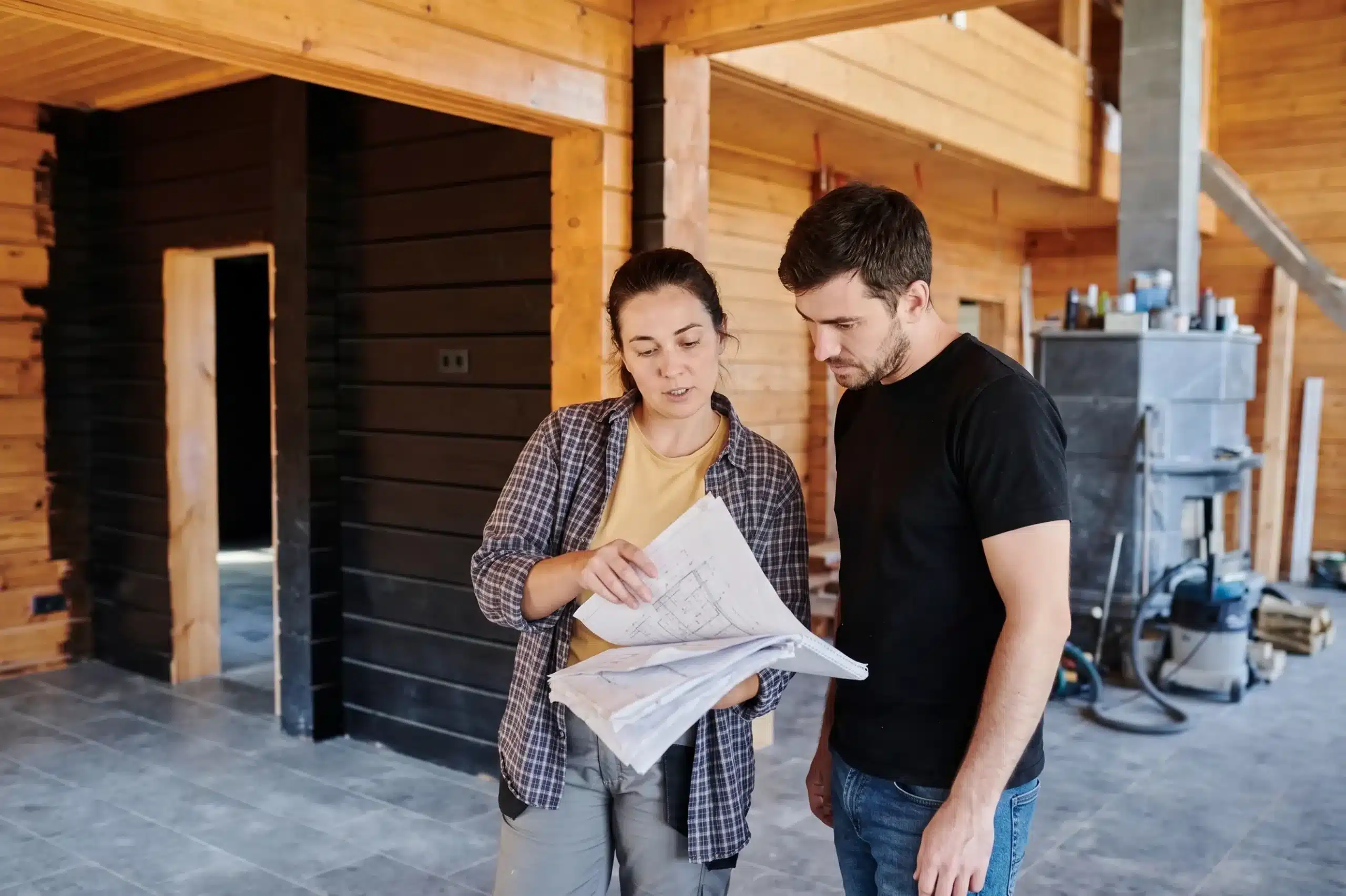
We recently had a conversation with a homeowner that really stuck with us. After we walked through a budget range for a comprehensive, professional-grade remodel, the homeowner didn’t just have questions—he was offended. He was firm in his stance that our numbers were well above the average cost of a home remodel he had seen online.
For him, this wasn’t a point of negotiation; it was a settled fact. In his mind, the gap between our proposal and his expectations was so wide that the number itself felt like an insult.
It was an honest moment, and it highlights a common crossroads in home renovation. The reality is that the notion of “market value” in remodeling is often a ghost. It’s a number people treat as a universal truth, but it’s usually built on a foundation of outdated data, generic national averages, and “best-case” stories that don’t account for the unique complexities of an individual home.
The Reality of Choice: Price vs. Predictability
If you’re planning a remodel, you’ve likely seen the “starting at” prices advertised by volume remodelers or searched for the lowest price for a kitchen or bath renovation.
The truth is, there is always a lower price to be found. For minor repairs or surface-level updates, a basic labor estimate from a handyman can be a great fit. However, for a comprehensive renovation, you have to ask: at what cost?
Finding a low contractor bid is easy, but finding a predictable, high-quality result that handles everything from design to final finishes is much harder. In construction, there is often a hidden tax on the lowest bid—the cost of doing the work twice. Our goal isn’t to compete with the cheapest remodeling quotes; it’s to be the last partner you ever need for this project.
Complexity vs. The “$30k Ceiling” Myth
One of the most common traps is assuming that remodeling costs are tied strictly to the size of a room or a fixed number like the “$30,000 bathroom.” In reality, professional remodeling is about infrastructure and intensity, not just average cost per square foot. When you renovate the “dense” areas of your home—the rooms that house your plumbing, electrical, and structural systems—you are touching the systems that keep your house alive. We aren’t just charging for the materials you see; we’re charging for the expertise required to ensure those systems work perfectly for the long haul. A $30,000 budget might cover a cosmetic “pull-and-replace,” but it rarely covers the actual cost of home improvements when you involve structural changes, master-level trades, and modern building codes.
At a Glance: Why Estimates Vary from National Averages
- The Design Build Difference: Professional quotes include project management and architectural design, whereas online “cost calculators” often only show dry labor costs.
- Infrastructure First: A professional investment addresses hidden remodeling costs—like structural leveling and electrical upgrades—before the first tile is laid.
- Asset Protection: We view your home as your largest asset; our process ensures the work is a long-term investment, not a temporary aesthetic fix.
The “TV Bias” and the Distortion of Reality
We all enjoy the inspiration found on reality TV, but there is a massive gap between what is shown on screen and what it costs to build in the real world. We know this firsthand: back in 2022, Closer Look was approached to be on a popular HGTV show.
When we sat down to look at the numbers, we realized that the budgets they intended to present to the homeowners were a mathematical impossibility for a professional firm. They didn’t even cover the current market price of materials and the master-level labor required to do the job properly. Because these televised budgets rely on sponsorships that don’t exist for private homeowners, they unintentionally distort the entire market’s expectation of typical remodeling budgets.
Understanding the Cost of Inaction
When the gap between your research and a professional estimate feels wide, it’s worth stepping back and asking: What is the cost of doing nothing?
There is a real, personal “cost” to living in a home that doesn’t function—the daily stress of a cramped layout or the rising maintenance costs of an aging space. If the budget is the primary hurdle, it’s helpful to weigh that one-time investment against the daily “cost” of living with the problem.
Our Role: Your Long-Term Advocate
True value isn’t a static number you find on a website; it’s the confidence that the job was done correctly the first time. If the numbers you’re seeing in your research don’t seem to line up with the custom remodeling project you’re envisioning, let’s sit down.
We’d love to show you the “why” behind our numbers and help you decide if this investment is the right step for your home.